Machine Party Facility Survival Tips
Stay alive through buzz saws, minefields, and industrial party hazards
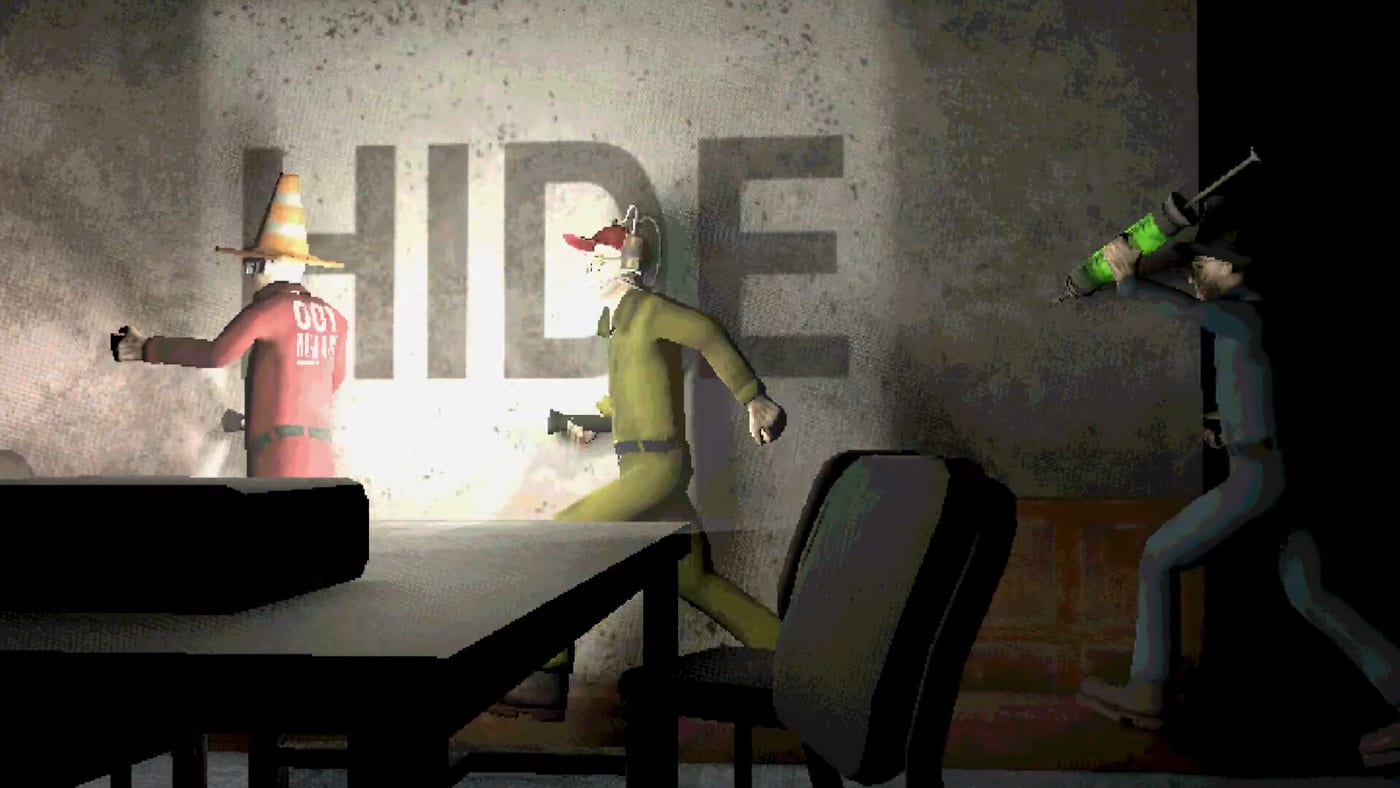
Machine Party kills test subjects for comedy. Mike Klubnika and GDeavid designed a violent party minigame collection where fifteen official factory challenges rotate faster than most groups can memorize. Oro Interactive shipped the experience on Steam (app 4108000) on July 30, 2026, for online co-op with two to four players. Survival is never guaranteed, but habits reduce embarrassing first-minute deaths. This guide focuses on facility-wide positioning, telegraph reading, and mode-specific tactics for every launch minigame using official names from the roster.
Use it alongside how to play for lobby flow, multiplayer for room codes, and the all minigames list for fixed playlist order (~one hour).
Survival mindset
Treat every minigame as a hazard contract: the facility shows you how death arrives, then punishes hesitation. Your job is not to eliminate risk — it is to trade risk efficiently. Sometimes dying late after securing gene mutation points beats living with zero objectives — see scoring and mutations. Beginners often panic-move; veterans freeze briefly, read the telegraph, then commit.
Sabotage from how to sabotage friends adds external threats. Survival plans must assume a friend will block an exit unless you adjust routes dynamically.
Universal positioning rules
These principles apply across all fifteen minigames:
Center bias when learning — Outer lanes collect hazards first in modes like Stable Footing and Tunnel Hazard. Center buys observation time early.
Never stack on a friend — Two hitboxes in one tile multiply casualties in Wrong Way and Minefield.
Face the telegraph — Cameras pan toward the next hazard before audio cues in Chisel Gauntlet and Spinebreaker.
Plan an exit before entering — Minefield and Forklift Certified reward players who pick lanes immediately.
Call lanes aloud — Simple left/right/center callouts prevent duplicate paths in Tunnel Hazard and Debris Platforms.
Early playlist modes (1–5)
Firearm Factory — Anchor at your bench; minimize travel between gun parts. Assembly kills through time pressure; do not stare at rival benches during sequencing. See Firearm Factory guide for Quick draw! routing.
Duck Hunt — Strafe perpendicular to target lanes; prioritize head-level tracking if hunting BOOM HEADSHOT! Lower sensitivity beats flick panic.
Tunnel Hazard — Float between secondary nooks until the final collapse; shove only when your exit is clear. Winning means taking the last nook, not generic survival.
Spinebreaker — Watch the device timer, not rival animations. Feint passes buy milliseconds before sub-one-second throws for Dodge this!
Debris Platforms — Center on stable tiles before crate throws. Lead moving targets — Catch this! demands crate knock-offs, not melee shoves.
Mid playlist modes (6–10)
The Filter — Slow is smooth: one clean interact per item. Just another day at the job. requires 100% accuracy on a win — double-taps may register as errors.
Stable Footing — Outer tiles vanish first; pre-plan diagonal hops when ten tiles remain for Mind the gap. Shove discipline prevents mutual falls.
Wrong Way — Sprint bindings matter; fifty correct escalator steps for Stairmaster reset on one mistake. Gentle groups agree on no-bump rules during hunt nights.
Table Manners — Tap eat inputs at maximum allowed cadence without animation cancel penalties. Sub-twenty-second finishes unlock Gluttony.
Inside Job — Carriers pre-position near clustered runners; About those TPS reports. demands infection within three seconds of receiving the syringe.
Late playlist modes (11–15)
Chisel Gauntlet — Endurance over burst; survive until the cube fully dismantles for Flourished Memories. Ignore distraction unless rivals block sightlines.
Minefield — Leapfrog safe paths in voice chat; Leg it! forbids sonar — route memory only. Never follow blindly; chain mines punish herds.
Forklift Certified — Bank four crates in your deposit zone for Mine. All mine! Defend ramps while the fourth crate travels.
Lethal Rebound — Shove toward hacksaw arcs; rebound panels create chains. Cumulative Will it blend? hunting still rewards personal survival for scoring.
Smoking Contest — Calm puff rhythm beats spam clicking; Full Pack tracks twenty cumulative cigarettes across sessions.
Coordinating as a team
Pure solo skill cannot save every four-player round. Assign informal roles:
| Role | Job |
|---|---|
| Caller | Reads telegraphs and announces hazard direction |
| Scout | Tests Minefield paths first when rules allow |
| Anchor | Holds objectives in Tunnel Hazard nooks |
| Wildcard | Handles sabotage responses without panicking |
Rotate roles so one player is not always the sacrificial scout. Confirm party size tradeoffs on party sizes.
Hardware and settings for survival
Machine Party asks for modest GPU specs but frame drops kill timing games like Spinebreaker and Wrong Way. Cap background downloads, prefer wired internet, and use full controller support if analog movement helps dodge rhythm. Black screens between rounds respond to --rendering-driver d3d12 — details on troubleshooting and Steam Deck and Linux.
Practice progression
Week one: survive any round once per minigame family. Week two: finish top half while surviving in The Filter and Duck Hunt. Week three: combine survival with targeted achievements and selective sabotage.
Use the tier list to prioritize practice on modes your lobby repeats in custom nights. Track personal survival rates with tools if your group keeps score.
When survival is not the goal
Some rounds reward speed or accuracy over time alive — Table Manners and The Filter are prime examples. Read each prompt and cross-check individual minigame guides. If updates describe scoring changes, re-read win conditions before defaulting to hide-and-survive tactics.
Facility survival is a skill tree across fifteen official minigames — not a single trick. Read telegraphs, communicate lanes, and customize a look in how to customize so teammates recognize survivors. Invite friends through how to invite friends so someone witnesses your clean Minefield exit.
Frequently Asked Questions
Quick answers to the most common questions.
Which Machine Party minigame kills new players most often?
Stable Footing and Minefield punish panicked movement early. Start with center positioning and voice callouts from this guide.
Does survival always mean winning the round?
No. The Filter scores accuracy; Table Manners scores speed. Read each minigame guide on the minigames hub.
How do I survive sabotage in hazard rooms?
Leave buffer space from other players, assume exits will be blocked, and practice diagonal recovery when shoved toward outer lanes.
Are hazard patterns random every round?
Most telegraphs are authored sequences with variation. Repeating sessions teaches timing — watch the updates hub for reworks.
What hardware helps most for reflex minigames?
Stable 60 FPS, wired networking, and comfortable bindings from controls matter more than exceeding recommended specs.
Where do I learn individual minigame rules in depth?
Each official mode has a dedicated guide linked from the all minigames list — Firearm Factory through Smoking Contest.