Machine Party Social and Deception Minigames
Bluff, interfere, and exploit paranoia when the facility turns friends into liabilities.
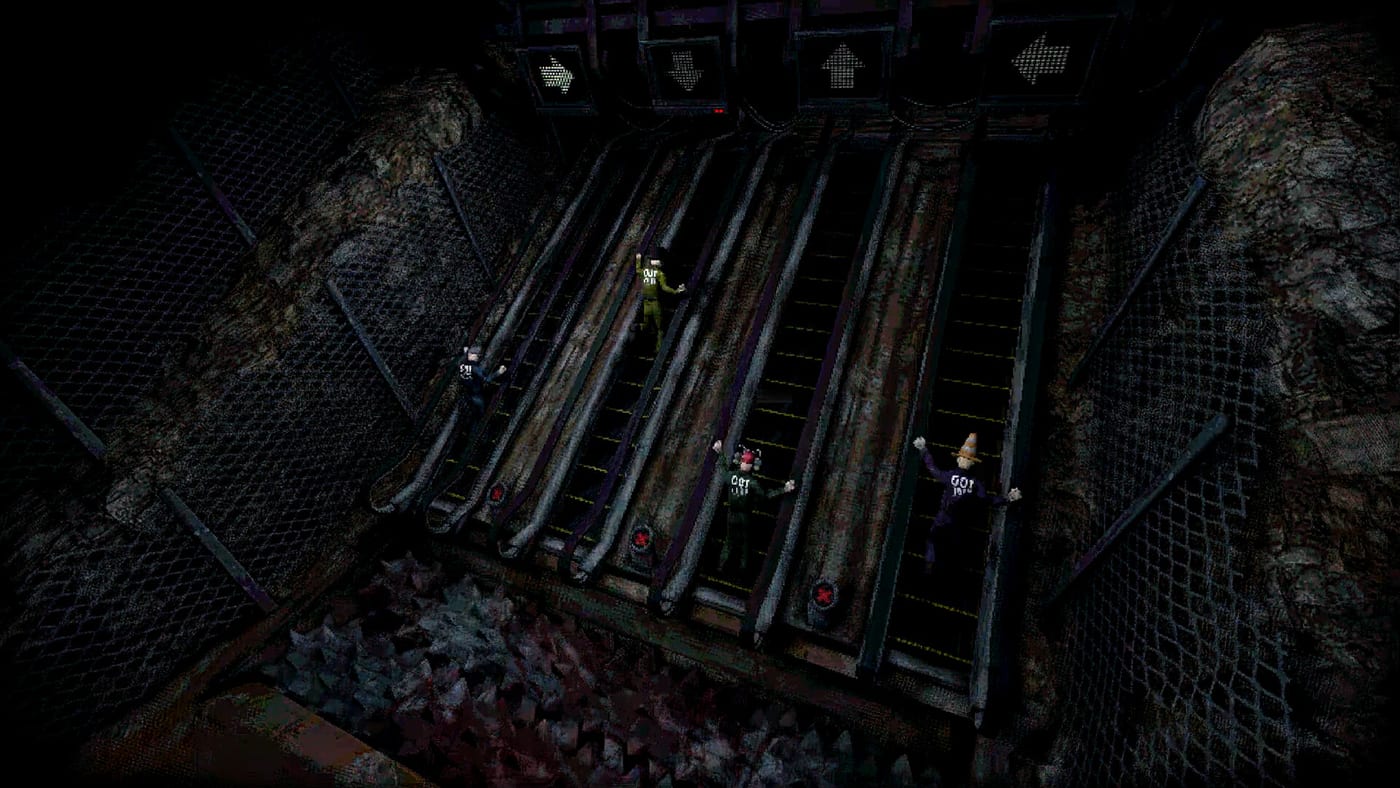
Not every Machine Party minigame is won by the fastest fingers. A full slice of the fifteen-mode roster rewards reading humans: who hesitates at a door, who fake-commits to a safe zone, who you can shove into machinery without triggering instant karma. Mike Klubnika marketed the title on “devious ways of screwing your friends over,” and social modes are where that promise lands hardest.
Study this page with reflex challenges and the all minigames list, then bring the mental map into multiplayer sessions where voice chat raises the stakes.
What counts as social deception here
Social modes share three traits:
- Hidden information — sniper sightlines, unknown safe doors, or unclear timing windows.
- Player-on-player interference — shoves, body blocks, and race penalties triggered by proximity.
- Psychological tempo — forcing others to act before they are ready.
Pure reflex games can include social tricks (see buzz-saw shoves), but the modes below center mind games.
Duck Hunt — defender and runner mind games
Duck Hunt rewards aim reads under pressure — BOOM HEADSHOT! needs a headshot, not spray fire. Fake a bold line to draw attention, then track the quiet straggler. Rotate high-pressure aim duty each round in casual groups.
Tunnel Hazard as territory poker
Tunnel Hazard looks like survival, but four players fighting for nooks turns it into poker. Feint toward one alcove, slide to another when hazards converge. This is my hole. requires winning the last nook — see the dedicated page.
Table Manners
Table Manners is the great equalizer: veterans and newcomers mash the same eat input while animations threaten choke slowdowns. Gluttony demands finishing under twenty seconds — rhythm beats blind spam.
Smoking Contest
Smoking Contest frames a speed smoke race inside a no-smoking room. Fail the pace and a hidden gun resolves the round. Full Pack tracks twenty cumulative cigarettes across sessions.
Inside Job infection bluffing
Inside Job assigns the syringe carrier role — About those TPS reports. needs an infection within three seconds of receiving it. Runners fake panic; carriers cut corners through cubicles.
Debris Platforms and Forklift Certified interference
Debris Platforms and Forklift Certified reward physical interference — crate knock-offs for Catch this! and deposit blocking for Mine. All mine!
Firearm Factory bench politics
Firearm Factory is precision-first, but crowded benches become mosh pits. Quick draw! cares about killing someone who assembled before you. Details on inputs sit with assembly and precision.
Minefield — social route theft
Minefield rewards planning, but four-player lobbies add route theft: follow someone’s proven path until the last tile, then cut ahead. Cruel, effective, and exactly what Oro Interactive sells in the Steam description.
Lobby etiquette versus tryhard play
Machine Party is a party game until it is not. Groups should set house rules before queuing:
- Casual: no external callouts, rotate sniper role, ban door body-blocking on first session.
- Tryhard: everything legal in-game stands; track stats and tie-breakers for tier list debates.
Document your rules in Discord pins so new friends do not walk into a sniper lobby blind.
Communication and online co-op
Steam lists online co-op for two to four players. Voice chat amplifies deception — fake panic screams draw defenders away from real routes. If latency is high, social reads skew random; see multiplayer for host migration and ping guidance before blaming betrayal on desync.
Customization as social signaling
Test subject cosmetics help identify who broke agreements last round. Hats and outfits are covered elsewhere, but socially they function like name tags when bodies explode. Customize before joining public matchmaking so allies recognize you post-gore.
Study path
- Read getting started for lobby basics.
- Skim all minigames for confirmed mode names.
- Drill one social mode and one reflex mode per session.
- Chase remaining wins through achievements once your group trusts the ruleset.
Return to the minigames hub when Oro Interactive adds modes in future updates — social metas shift fastest when new interference tools appear.
Frequently Asked Questions
Quick answers to the most common questions.
Which minigames encourage sabotaging friends?
Tunnel Hazard, Inside Job, Debris Platforms, Forklift Certified, and Firearm Factory bench blocking all reward interference. Table Manners and Smoking Contest tilt social through distraction and pacing.
Is voice chat an advantage in Machine Party?
Yes, especially in Inside Job and Tunnel Hazard. Many groups ban external callouts for fairness; decide before the first round.
Can new players win social minigames without fast reflexes?
Table Manners and Smoking Contest favor calm inputs over raw speed. Duck Hunt and Wrong Way still punish slow movement, so mix modes for balanced nights.
Where do I learn lobby setup for private betrayals?
The multiplayer guide covers 18-digit room codes and player counts; the getting started guide walks through first launch steps on Steam.