Machine Party How to Sabotage Friends
Turn co-op chaos into competitive wins across facility minigames
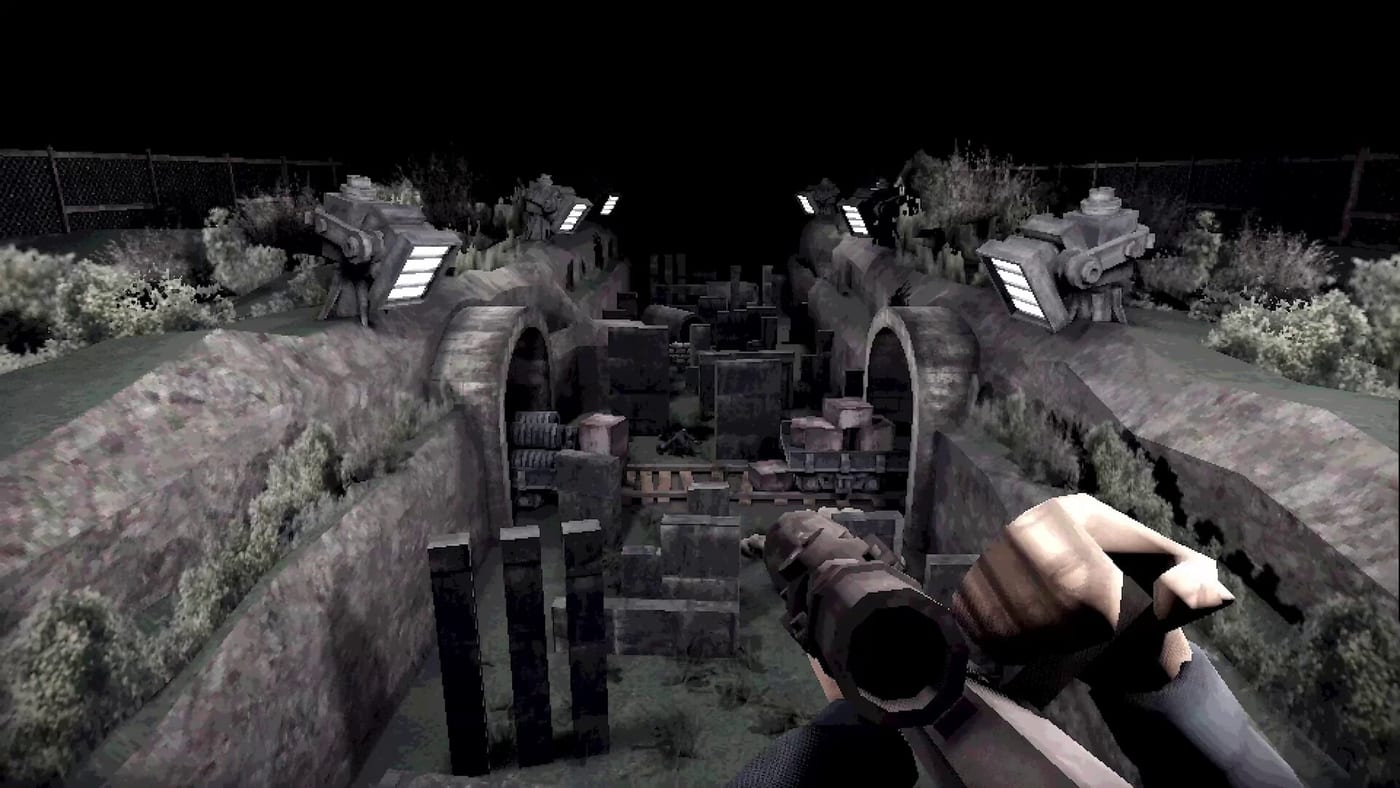
Machine Party advertises sabotage as a feature, not a bug. Oro Interactive and developers Mike Klubnika and GDeavid built a violent party minigame collection where shoving a friend into a buzz saw is often the correct play. Online co-op for two to four players means you are never only fighting the facility—you are fighting the people who laughed when you stepped on a mine. This guide explains when sabotage wins rounds, when it backfires, and how to grief responsibly enough that your group still invites you back.
Sabotage Is Part of the Design
Many party games treat interference as emergent behavior. Machine Party bakes it into scoring. Competitive pea eating rewards blocking access to bowls. Escalator sprint modes punish anyone who stops to help. Steamroller escape narrows exits so the last player through becomes a target. If you play purely cooperatively, you leave points on the table and ignore half the humor that earned the title Very Positive reviews at launch.
Before the first shove, agree on house rules. Some groups ban sabotage during learning rounds; others allow it immediately. Document nothing formally—just align in the lobby described in How to Invite Friends so friendships survive the session.
Universal Sabotage Principles
These habits apply across roughly fifteen minigames:
Body blocking — Stand in doorways, bowl access points, or narrow train dodge lanes. You do not always need a dedicated sabotage button; position is enough.
Timing over spam — Early interference alerts everyone. Strike when opponents focus on a telegraph—during sniper dodge wind-up or firearm assembly finisher animations.
Trade deaths consciously — Dying to stop a leader from finishing pea eating may be worth it if second place pays better than third across the session total.
Target the leader, not the struggler — Piling on someone who already fails minefield twice feels cruel and slows lobby morale. Focus the scoreboard top.
Watch the timer — Sabotage that delays you both loses to players who ignored the fight and finished. Know when to disengage.
For controller players, analog movement makes precise blocks easier in escalator and train modes. Keyboard players may snap-turn faster for sniper lane cuts. See Controls for input-specific tips.
Minigame-Specific Tactics
Trailers and early gameplay confirm several distinct challenge types. Adapt sabotage to each ruleset:
Buzz Saw Room and Steamroller Escape
Hazard survival modes reward lane control. Drift toward the center lane while subtly angling rivals toward outer tracks where saws and rollers hit first. Do not obvious-grief in the open—facilities sometimes punish obvious traitors with faster hazard cadence in later patches; watch Updates.
Shape Match and Gatling Pressure
When matching shapes under fire, bump players holding pieces they still need. Steal matching slots by standing on interaction pads first. Speed matters; sabotage here is about milliseconds.
Sniper Dodge
Cut across sight lines to force dodges that waste stamina or timing windows. High risk: you may eat the shot yourself. High reward: panic dodges send players into secondary hazards.
Firearm Assembly
Block bench access or grab components you do not need to delay assembly completion. Only works if the mode allows shared benches—verify in Minigames before relying on this.
Competitive Pea Eating
Classic party sabotage: body block the bowl, slap during eating animations if the mode allows interaction, or knock players away from refill stations. Pea rounds often decide session mood—go hard here if your group allows it.
Minefield and Train Dodge
False safe calls are social sabotage without touching controls. Call a lane “clear” then hesitate so followers step on mines. In train dodge, stop short at crossings to compress trailing players into impact zones.
Cigarette Speed-Smoke and Rock Chiseling
Endurance and rhythm modes break when someone jostles you during a precision window. Tap interference rather than hold it; sustained grappling slows both players below someone who ignored the fight entirely.
Cross-reference Tier List to learn which modes reward heavy sabotage versus pure skill.
Risk Versus Reward Math
Sabotage fails when the score delta does not justify the death. Ask three questions before interfering:
- If I fail, who benefits besides my target? Third-place players love your mistakes.
- Does this minigame reset everyone on one death? Some hazard rooms eliminate you but let leaders finish untouched.
- Am I sacrificing an achievement condition? See Achievements if your group hunts specific unlocks.
When two players tie for first, sabotage becomes mandatory. When you trail by a large margin, interference is sometimes the only win condition left—especially in last-place bonus modes hinted in some facility rounds.
Social Contract and Group Longevity
Machine Party nights die when one player griefs outside agreed bounds. Signs you crossed the line:
- Voice chat goes quiet except for sighs
- Same player targeted every round regardless of score
- Host skips minigames your target excels at
Reset by running one cooperative survival round using tips from Facility Survival Tips, then resume light sabotage. Rotate targets so no one sits out the fun.
Combining Sabotage With Customization
Distinct cosmetics help teammates identify who pushed them into the minefield. Bright test subject outfits from How to Customize and Customization make your betrayals legendary—or infamous. Reputation becomes part of the meta.
Advanced Session Play
Experienced groups chain sabotage across rounds:
- Setup round — Help the eventual winner in round one to build trust, then betray when stakes rise.
- Kingmaking — If you cannot win, sabotage the leader to hand victory to a third player who has not won tonight.
- Achievement denial — Block specific actions tied to achievements when your group competes for fifteen Steam goals.
Use Tools if your community tracks seasonal scores or house-rule variants.
When Not to Sabotage
Skip interference when teaching a new player (How to Play), when latency already ruins Multiplayer fairness, or when someone explicitly asks for one clean competitive round. Machine Party is violent humor, not a toxicity simulator.
Master sabotage and Machine Party transforms from a reflex test into a social deduction game where everyone watches the player in the bright helmet. Play sharp, shove smarter, and read Review if you wonder whether the tone fits your regular group.
Frequently Asked Questions
Quick answers to the most common questions.
Is sabotaging friends allowed in Machine Party?
Yes. Many minigames reward blocking, bumping, and lane denial. Agree on house rules in the lobby before sessions turn hostile outside the joke.
Which minigame is best for sabotage practice?
Competitive pea eating and escalator sprint modes punish body blocking harshly while staying readable for newcomers. See [Minigames](/minigames/) for the full list.
Can sabotage get you banned online?
Machine Party has no ranked ladder described at launch. Sabotage within game mechanics is expected; harassment via voice or text is a platform issue, not a game feature.
Does sabotage work with two players only?
Duos amplify direct rivalry—every interference hits your only opponent. Full four-player lobbies offer more kingmaking options.
How do I counter someone sabotaging me every round?
Vary your routes, partner temporarily with another victim, and target them when scoreboard position makes retaliation cheap. [Facility Survival Tips](/guides/facility-survival/) helps you survive despite interference.
Are there achievements for sabotage?
Several of the fifteen Steam achievements likely reward competitive wins and chaos milestones. Check [Achievements](/achievements/) for exact conditions after your first few sessions.