Machine Party Gene Mutation Points Explained
How performance scores stack between lethal rounds — and how hosts shape a full party
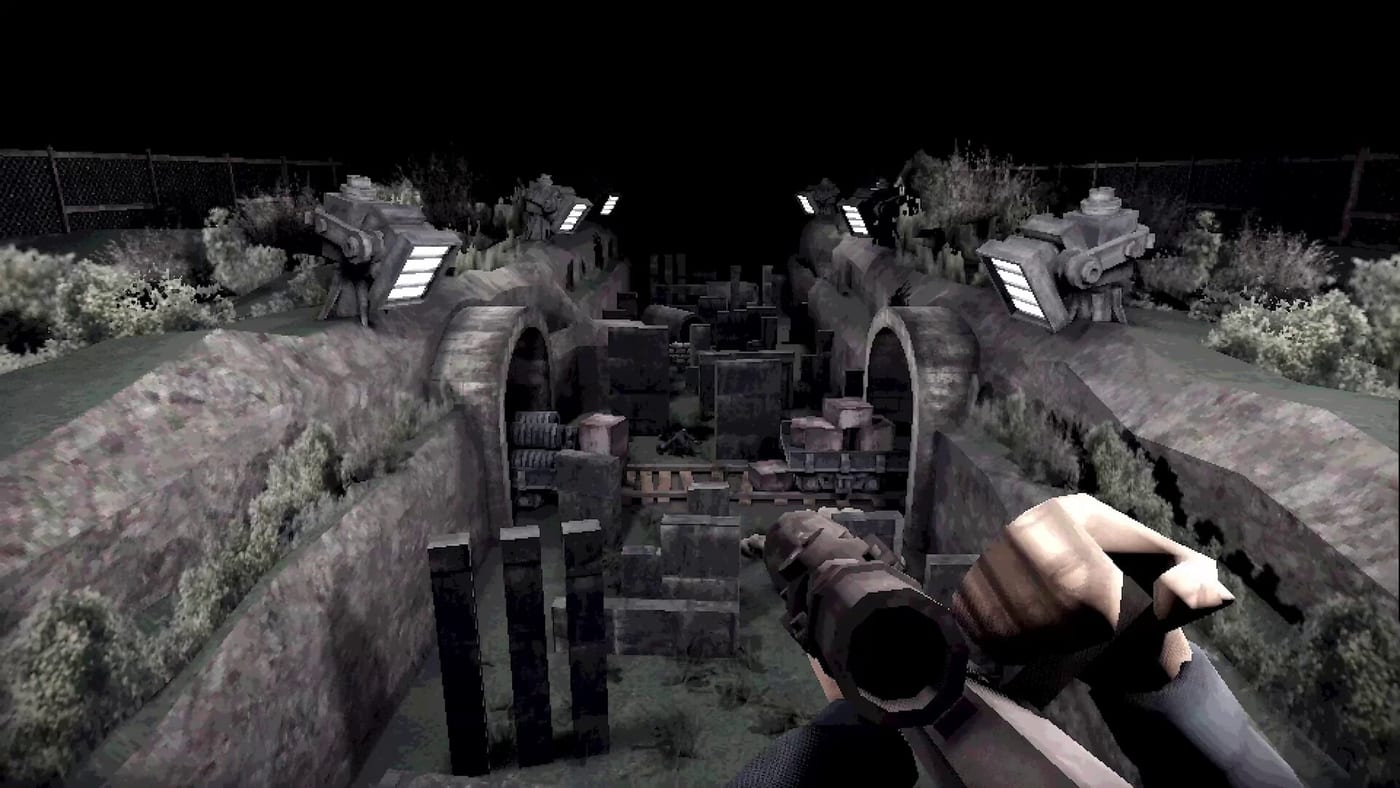
Machine Party does not end when one minigame kills three friends. Between rounds, the facility awards gene mutation points based on how you performed in the challenge that just finished. That meta-score is what turns a pile of short death traps into a coherent party night. This guide explains what post-launch reviews and launch coverage confirm about scoring, session length, and host control — then connects those facts to practical lobby habits.
If you are brand new, skim How to Play first. If you already know lobby flow, use this page to stop treating every round as a standalone meme and start playing for the full session standings.
What gene mutation points are
After each minigame — typically about five minutes across two or three quick internal rounds — players receive gene mutation points for their performance. Exact formulas live in the client UI and can shift with patches, but the design intent is clear: the facility grades you on the round you just survived (or spectacularly failed), then queues another random or host-selected mode.
Think of mutation points as the session ledger. Winning one pea-eating sprint feels good; stacking solid scores across a mixed playlist is how you actually own the night. Consistency matters more than a single viral kill clip.
Full party pacing
A complete run that cycles all fifteen minigames lands around one hour for most groups. Shorter nights happen when hosts cut the playlist or friends rage-quit after steamroller rounds. Longer nights happen when you rematch favorites or chase achievements between playlist entries.
Practical pacing tips:
- Budget ninety minutes for first-session groups — learning prompts eats time.
- Use the party planner on tools if you want a themed hour instead of pure random.
- Break after eight modes if voice chat is melting — mutation point leads survive short pauses better than friendships do.
- Save high-chaos modes from the chaos tier list for the back half when scores are close.
Host playlist customization
Lobby hosts can customize the experience instead of forcing a fully random full-party run. That control is one of the strongest quality-of-life features for mixed skill groups:
- Warm up on reflex challenges before opening sniper mind games.
- Skip modes your group has banned for the night (for example, cigarette races on stream).
- Force a suspect achievement mode from achievements once natural unlocks slow down.
- Keep duos on modes that still feel fair with two players — see party sizes.
Hosts who never customize often burn newcomers on minefield and train bluffing in the first fifteen minutes. Customize early; randomize later when everyone understands telegraphs.
How scoring interacts with sabotage
Mutation points reward performance, not vibes. Sabotaging a friend into a buzz saw can raise your relative standing if the mode scores survival or placement — or it can tank you both if the UI grades absolute completion. Read the round prompt before you grief.
Late-round sabotage is usually smarter than opening-round sabotage: early interference teaches rivals your habits; late interference decides the ledger when scores are tight. Pair this with How to Sabotage Friends and How to Win.
Audio, headphones, and clean reads
Several modes telegraph through sound before the camera catches up — train horns, saw wind-up, sniper bolt cycles, and pea-scan cues. Headphones help you convert audio into mutation points because you react one beat earlier than speakers-on-desk players. Facility Survival still covers positioning; scoring nights should treat audio as a competitive setting, not background music.
Alex Peipman’s industrial soundtrack is part of the product pitch, but competitive groups often lower music slightly and keep SFX high so telegraphs stay readable.
Mode families and score profiles
| Family | Typical score feel | Study page |
|---|---|---|
| Reflex / hazard routes | Placement and survival time | Hazard routes |
| Social deception | Relative standing, interference | Social deception |
| Assembly / precision | Speed and accuracy | Assembly and precision |
Use the minigames hub when a new unnamed playlist entry appears — learn the fail state once, then decide whether it belongs in your curated hour.
Online play, Remote Play, and local co-op
Scoring assumes a stable multiplayer session. At launch that means online co-op for two to four players. Couch groups waiting on the late August local co-op update can bridge with Steam Remote Play Together — details on Remote Play and the local co-op roadmap. Mutation point nights fall apart if someone drops mid-playlist; fix invites with lobby setup before you care about standings.
Achievements versus mutation points
Steam achievements are separate from gene mutation standings. You can lose the party ledger and still unlock Quick draw! or other goals if the achievement text cares about a specific play, not the night’s total. Conversely, a clean mutation lead does not auto-complete achievements. Plan hunt nights separately from scoreboard nights when friends get competitive about both.
First curated night checklist
- Confirm price and build on Steam — intro discounts and patch notes live on launch notes.
- Host sets a ten-mode playlist: three warm-ups, four favorites, three chaos closers.
- Everyone enables headphones and tests voice chat.
- Agree whether late-round sabotage is legal.
- After the hour, compare mutation standings and pick one mode to drill from hazard routes next time.
Related reading
- How to Play — lobby and loop basics
- How to Win — converting reads into wins
- All minigames — roster reference
- Party planner — structured nights
- Worth buying — purchase filter for friend groups
Gene mutation points are the quiet spine of Machine Party. Learn them once, and every lethal joke round starts feeding a real scoreboard story instead of random chaos.
Frequently Asked Questions
Quick answers to the most common questions.
What are gene mutation points in Machine Party?
Performance scores awarded after each minigame. They track how well you did in that round before the next mode loads, forming the session standings across a party night.
How long is a full Machine Party playlist?
A full party with all fifteen minigames takes about an hour for most groups. Hosts can shorten or customize the playlist.
Can hosts choose which minigames award points?
Hosts can customize the playlist and session shape. Exact lobby options appear in-game; use them to warm up, hunt achievements, or skip banned modes.
Do mutation points unlock Steam achievements?
No. Achievements follow Steam's own unlock rules. Mutation points decide who is winning the party ledger that night.
Should I use headphones for scoring nights?
Yes. Many telegraphs are audio-first. Clear SFX helps you react earlier and protect mutation point leads.